Agent Learning: Memory, RAG, and Skills That Grow Over Time
Make agents smarter over time with long-term memory, RAG, task reflection, and inter-agent knowledge sharing.
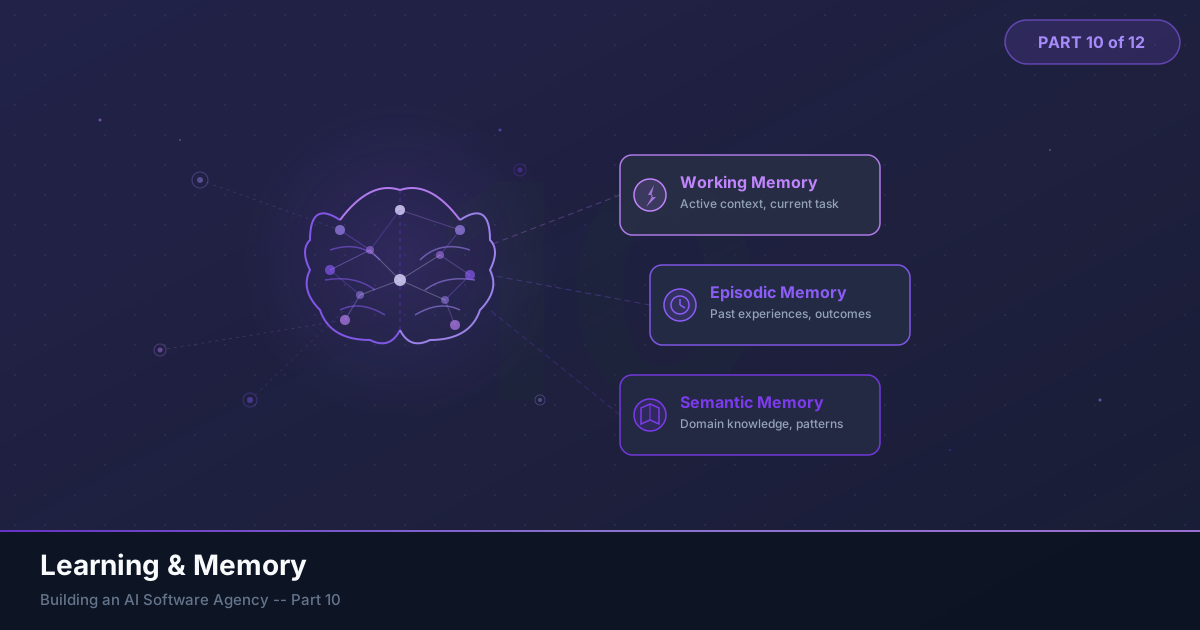
Make agents smarter over time with long-term memory, RAG, task reflection, and inter-agent knowledge sharing.
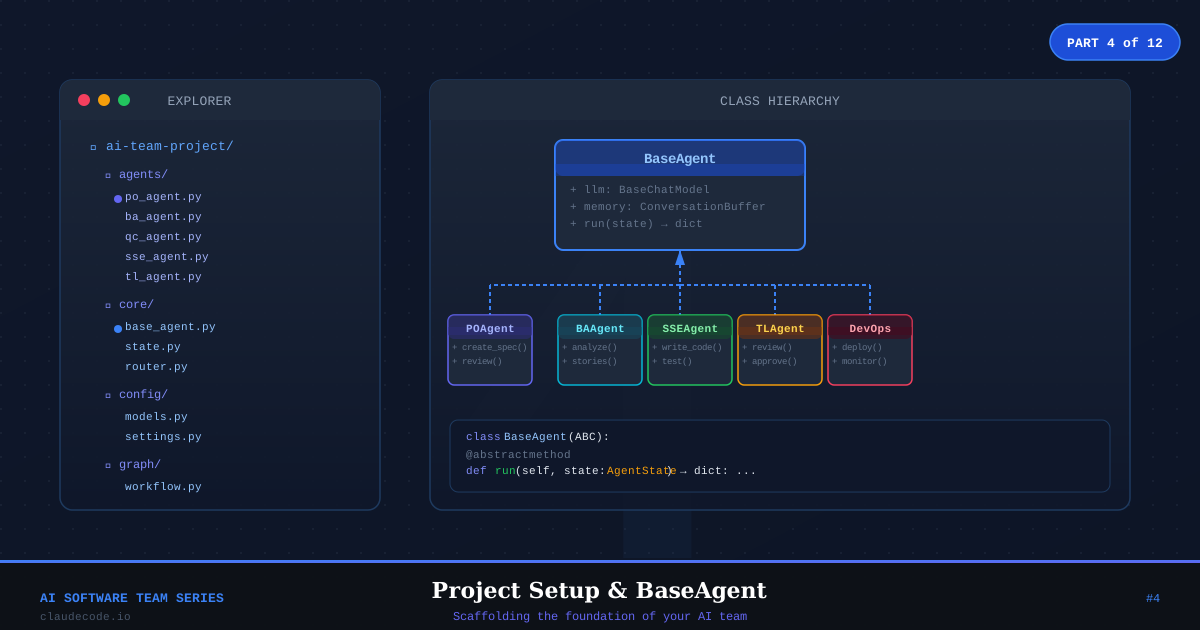
Build the foundation: BaseAgent class, TeamState, agent config YAML, SQLite memory store, and tool registry.
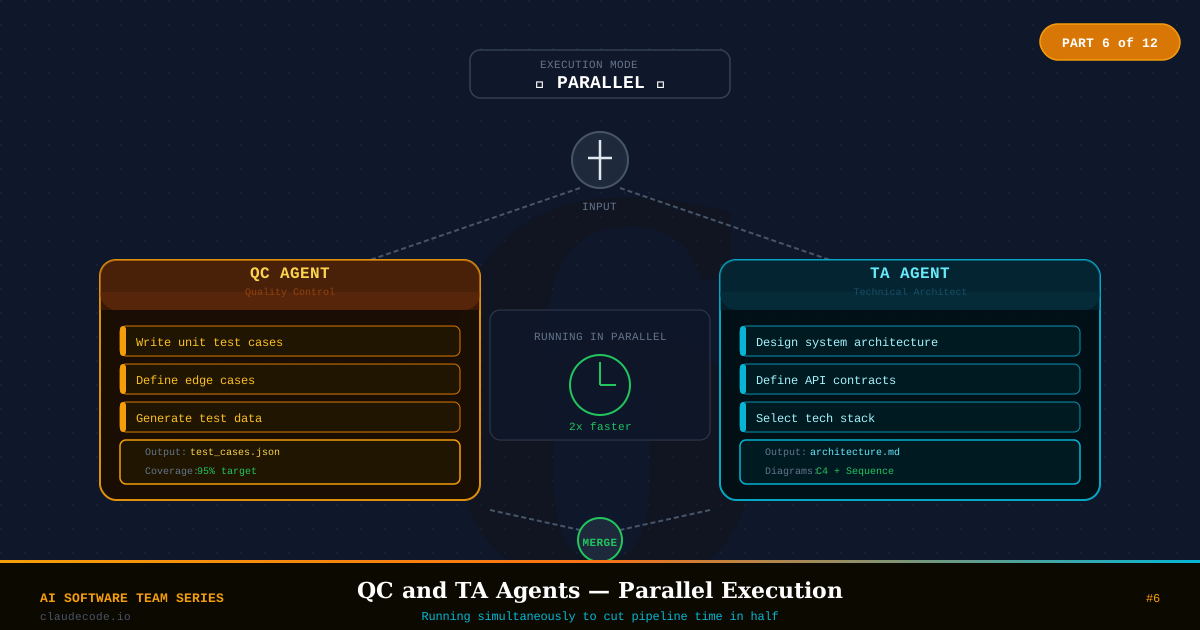
Build the QC Engineer and Technical Architect agents. QC writes test cases and acceptance gates before code exists. TA produces the technical spec, architecture decisions, and implementation plan. They run in parallel — the first big optimization in our pipeline.
Build the Product Owner and Business Analyst agents. The PO clarifies requirements and defines scope; the BA breaks them into actionable user stories with acceptance criteria. Full implementation with prompts and output schemas.
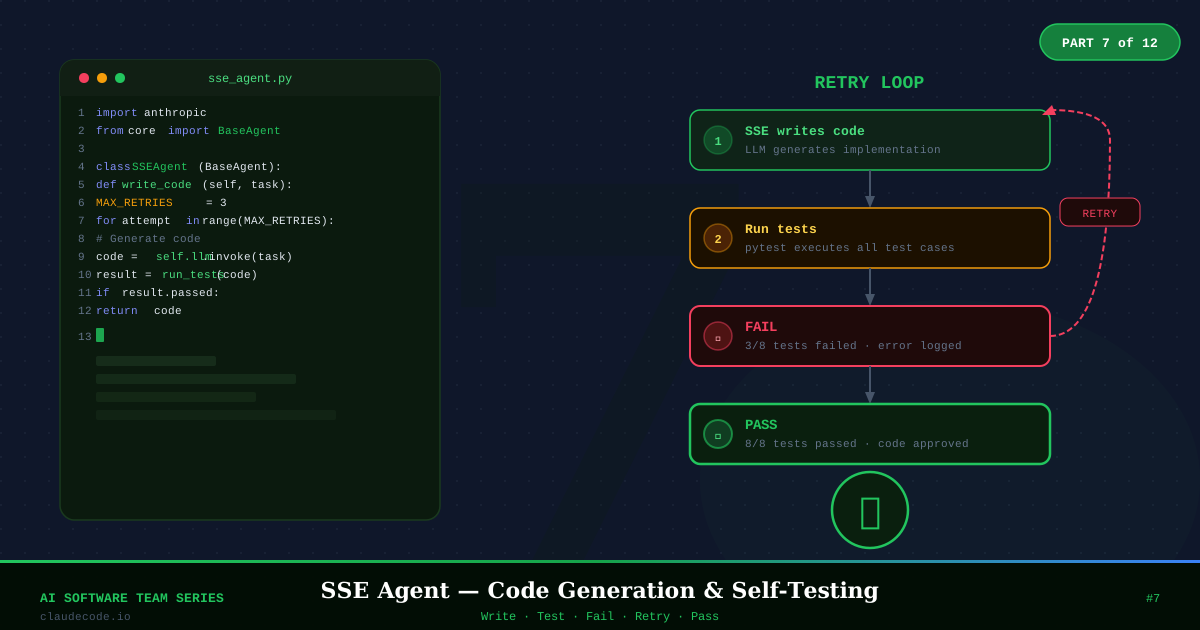
Build the Senior Software Engineer agent that writes code, runs tests, and iterates until they pass.
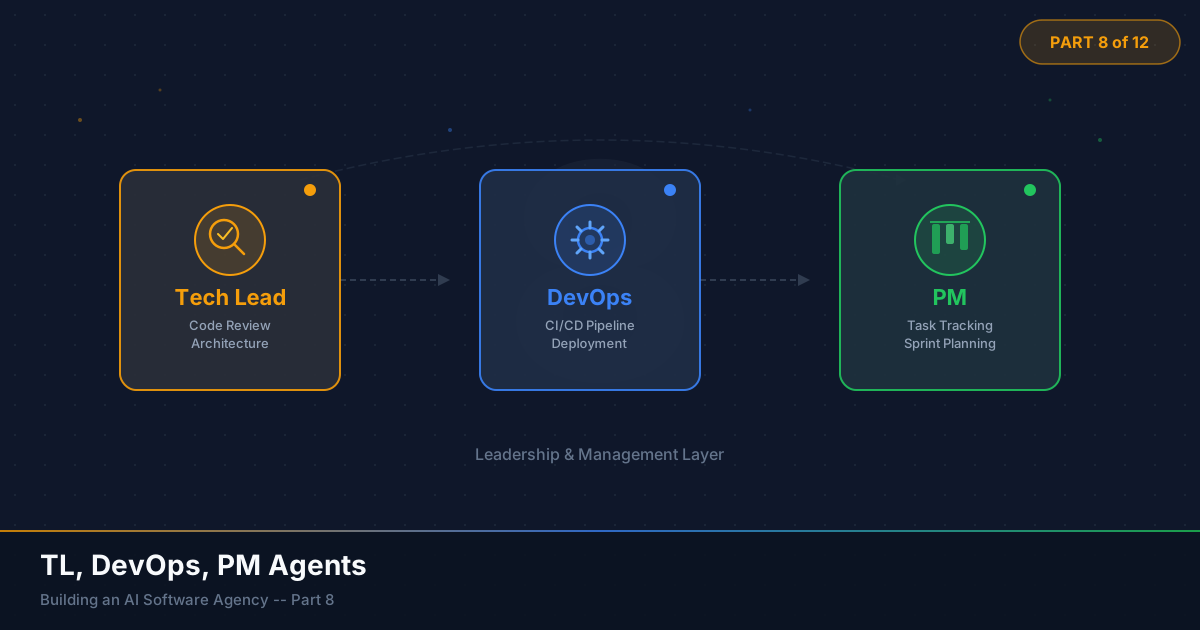
Build the Tech Lead (code review), DevOps (CI/CD generation), and PM (coordination) agents.
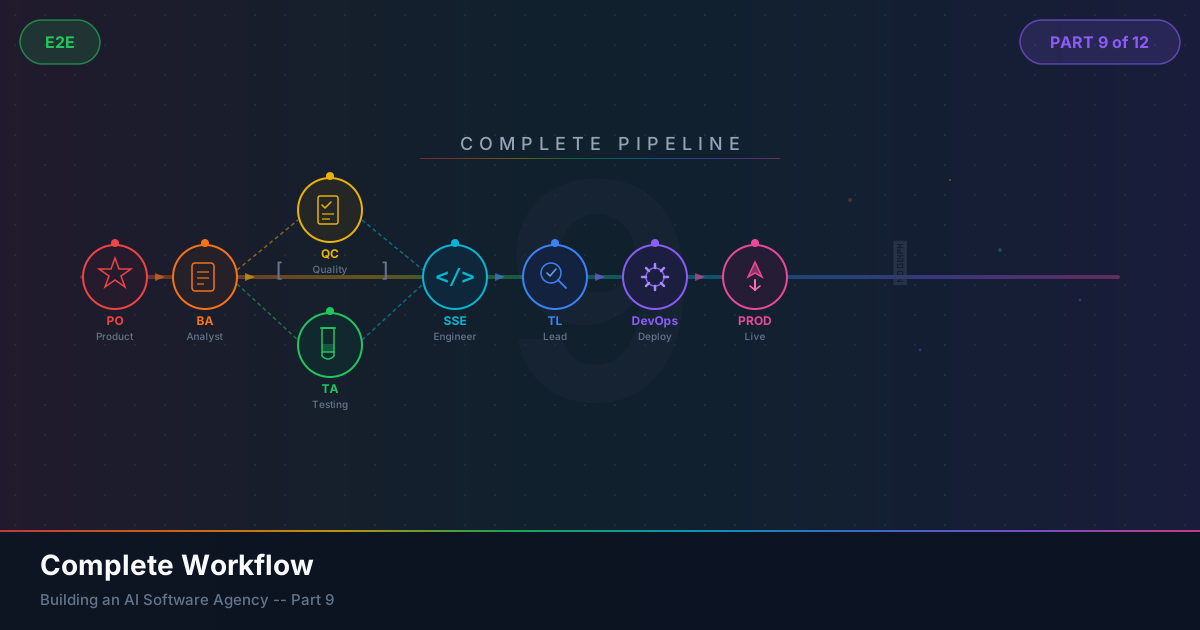
Assemble all 8 agents into a single LangGraph workflow. Full E2E example from client brief to deployed config.
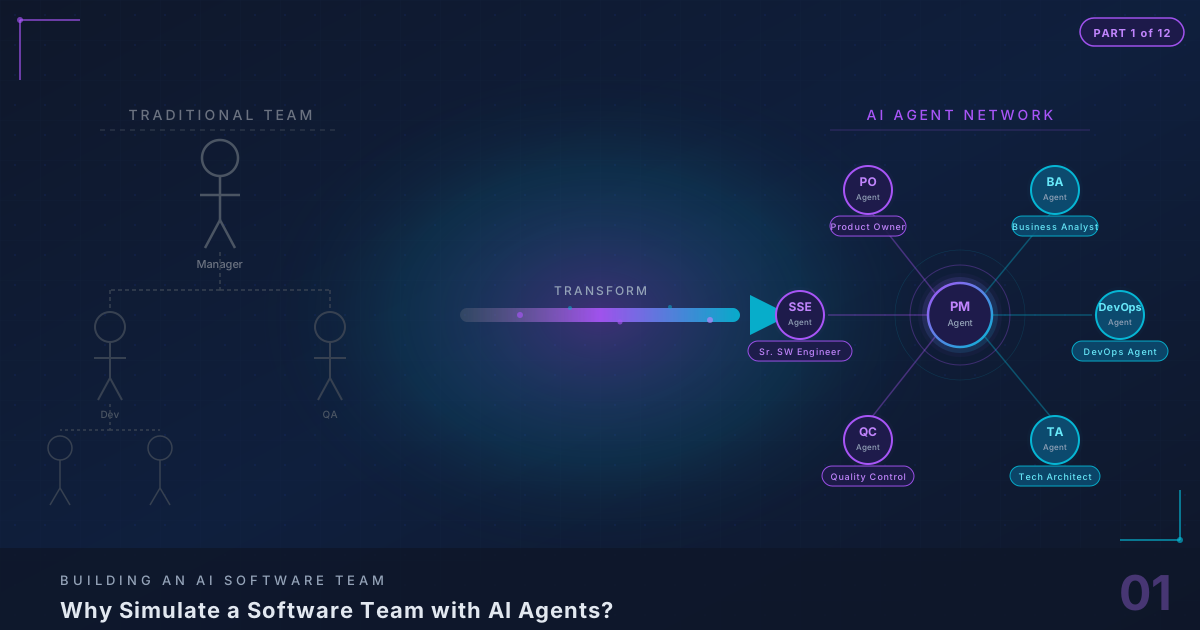
The vision behind building autonomous AI agents for every role in a software team: PO, BA, QC, TA, SSE, DevOps, TL, and PM. From solo developer bottleneck to an AI-powered development pipeline.
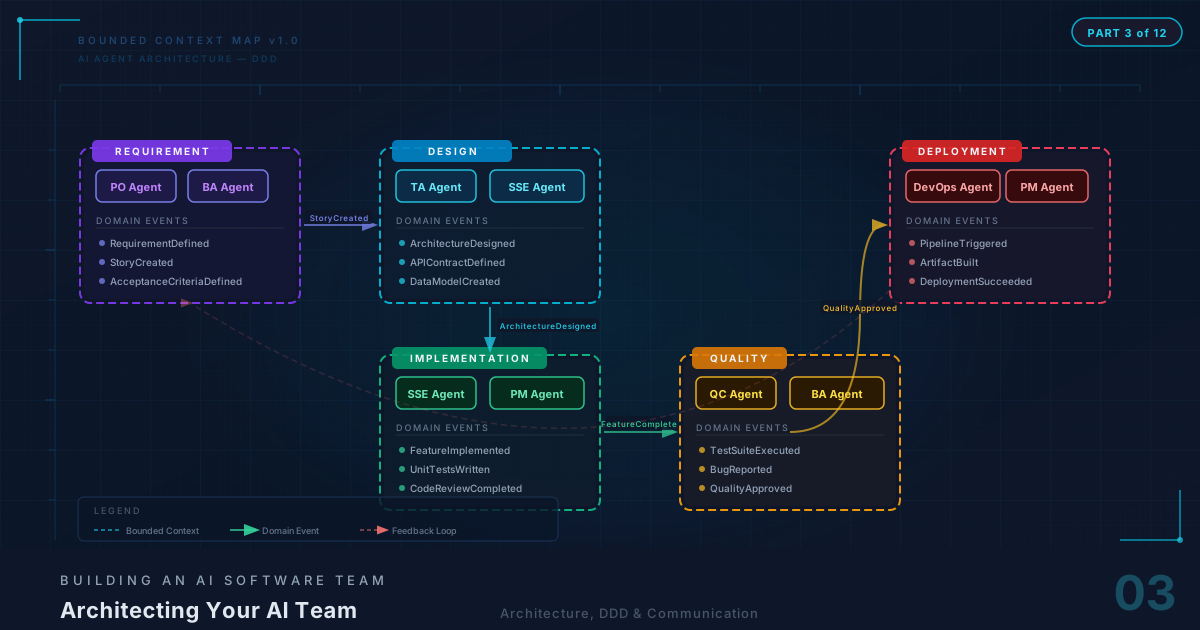
How to architect a multi-agent system using Domain-Driven Design principles. Define bounded contexts, domain events, state machines, and communication patterns for your AI software team.
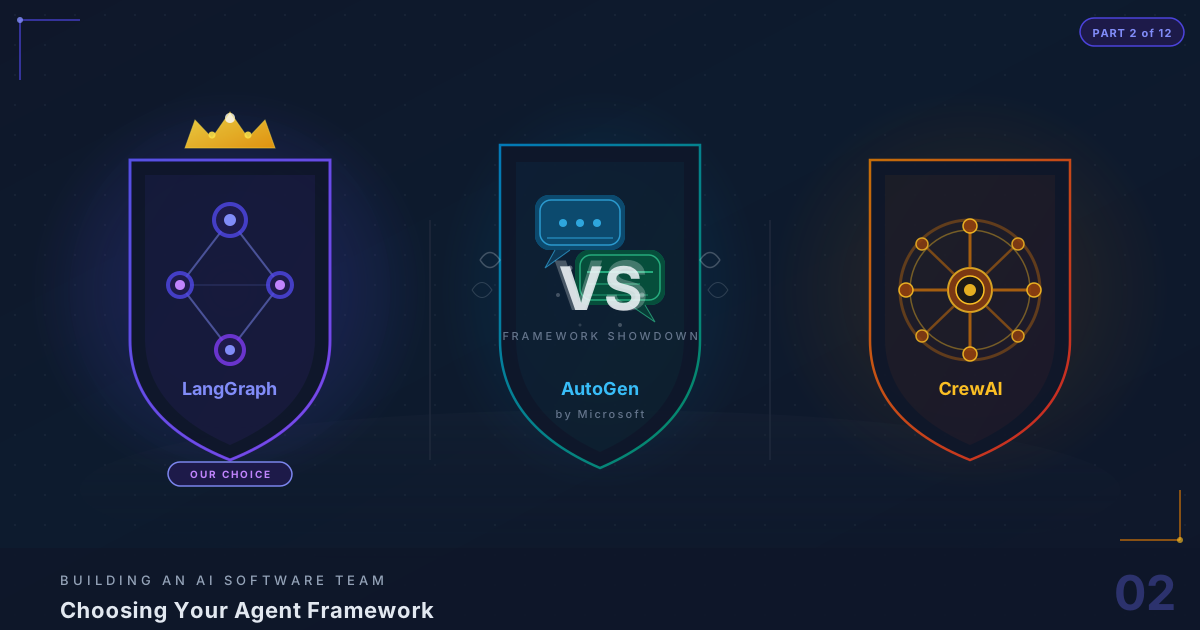
A hands-on comparison of the top multi-agent frameworks: LangGraph, AutoGen, and CrewAI. We build the same PO Agent in all three to see which fits best for a software team simulation.
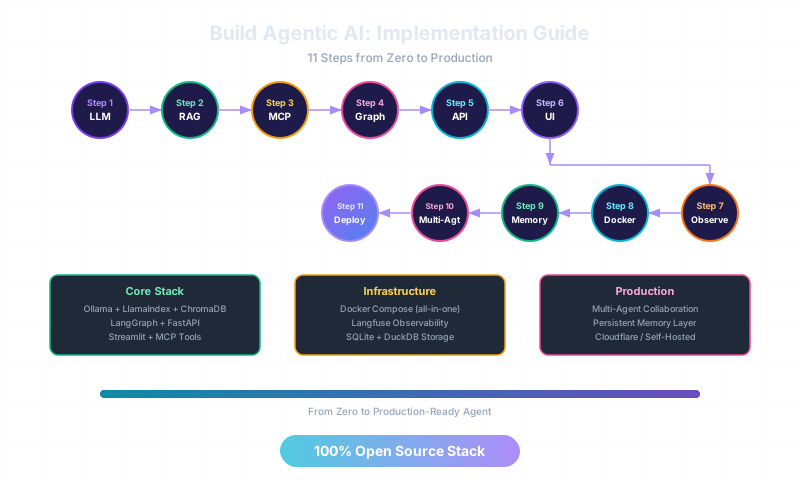
Complete hands-on guide to building a production-ready agentic AI system. From project setup to deployment — every layer implemented with working code, tests, and Docker compose.
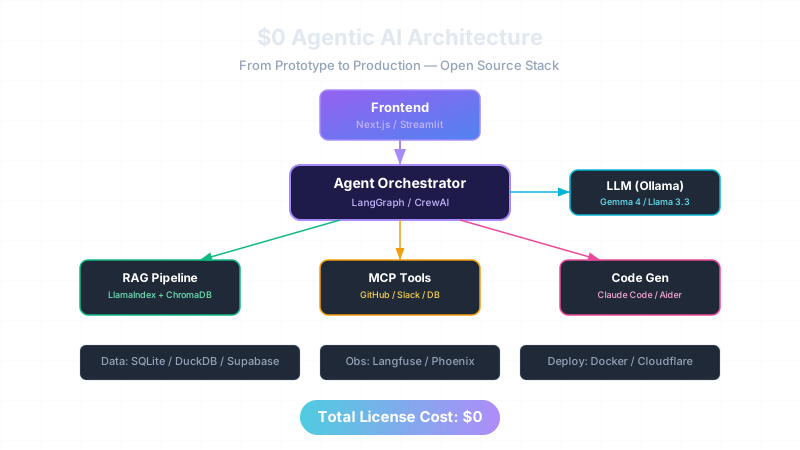
A complete technical guide to building a profitable agentic AI system using only open-source tools — with retrieval, orchestration, tool use, and observability. Includes architecture diagrams and real cost analysis.
Production CI/CD patterns for multi-agent AI systems. Covers LangSmith evaluation pipelines, prompt versioning with S3, canary deployments, regression testing, cost monitoring gates, and automated rollback strategies.
Implementation-ready guide to building the Brain agent in a multi-agent system. Covers LangGraph supervisor patterns, Command API routing, context injection, prompt engineering, state schema design, and cost-optimized model selection.
Production scaling patterns for multi-agent AI systems. Covers AWS Step Functions orchestration, Lambda auto-scaling, Bedrock provisioned throughput, cost optimization strategies, and operational runbooks.
Production security patterns for multi-agent AI systems. Covers IAM least privilege per agent, prompt injection defense, input sanitization, output validation, audit logging, secrets management, and compliance requirements.
Production implementation of state management for multi-agent systems. Covers DynamoDB checkpointing with LangGraph, S3 for large payloads, Athena query patterns, conversation memory, and state recovery strategies.
Complete implementation guide for worker agents in a multi-agent system. Covers tool design patterns, prompt engineering for cheap models, input/output contracts, error handling, and cost optimization with Haiku and DeepSeek.
Production-tested architecture for multi-agent AI systems using LangGraph on AWS. Brain/Worker cost optimization, Step Functions orchestration, DynamoDB checkpointing, CI/CD pipelines, and real-world cost modeling that achieves 5-10x savings.
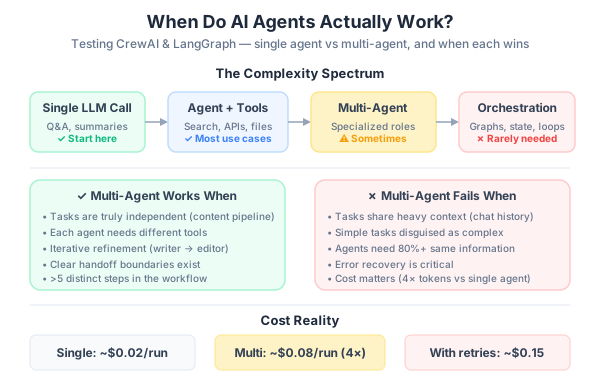
I experimented with CrewAI and LangGraph to build multi-agent workflows. Some were genuinely useful, some were expensive toys. Here's what I learned.
Get notified when I publish new posts on AI, .NET, cloud architecture and more.